
-
Dissipatio H.G., Guido Morselli
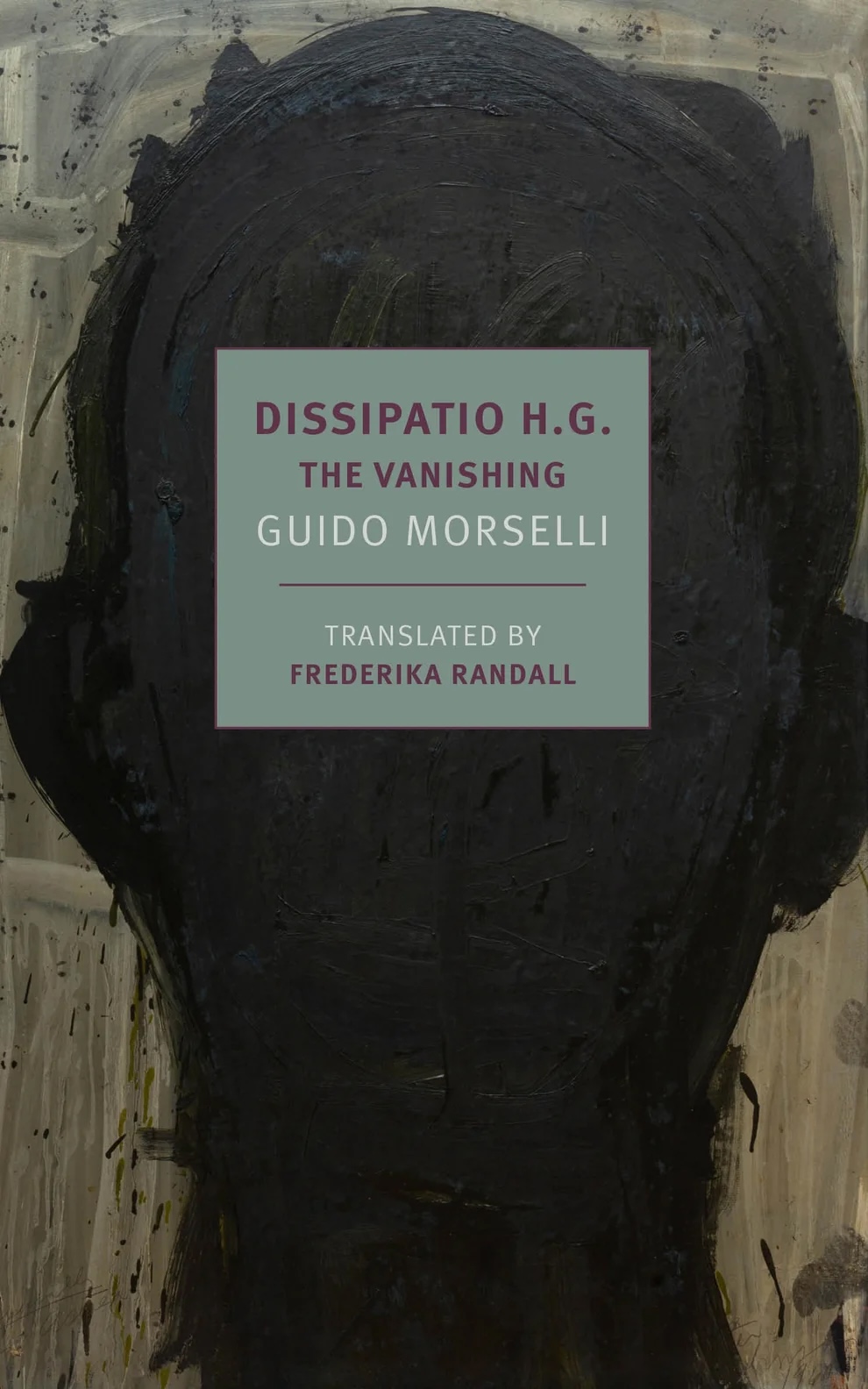
Not the first post-apocalyptic novel– I see you and love you, Mary Shelley– but the template for today’s versions. Morselli saw the attractions of the Anthropocene and what remains after its abrupt end. The narrator is brilliant and cranky, the kind of fellow who could be the Last Man on Earth even when everyone else…
-
Love in the Ruins, Walker Percy
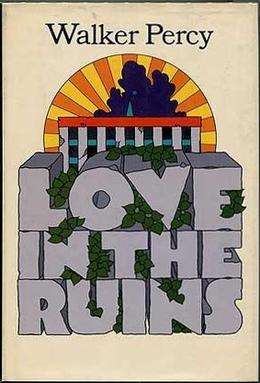
In honor of the 250th anniversary of the frayed republic, I re-read Percy’s most prophetic novel since it is set on the Fourth of July. It’s aged, poorly, repeating the prejudices of the narrator. It’s aged, brilliantly, mapping the present fault lines of the country. Percy is, like his protagonist, a shaggy doctor of the…
-
Love’s Labor, Stephen Grosz
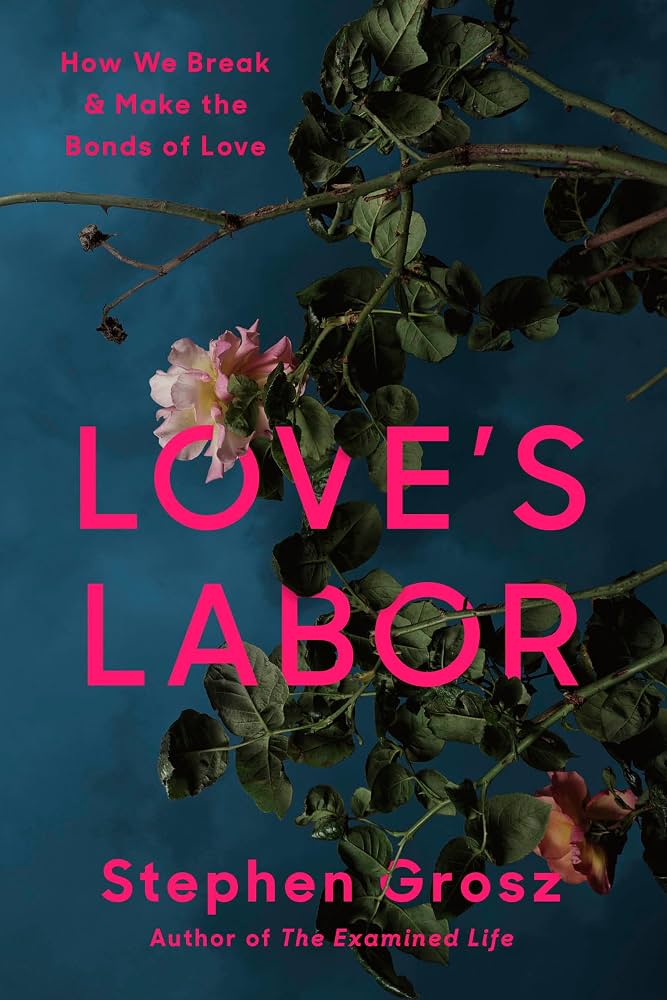
What do the Second Coming, Crossroads, and October have in common? After years of building your songbook, the record company needs a second album. The songs remaining in the book belong in the vault and the new songs belong in the tour bus because they are about the bus. Many listeners can relate to the…
-
The Examined Life, Stephen Grosz
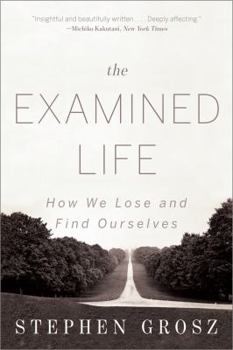
A cracked door letting in bright light. A bone-white path towards the horizon. One pillow, carefully rumpled, propped against another on a chaise couch. When you search for this book and sift through the cover designs, you understand: analysis. Open the pages and it’s all there: everyday people living out dramatic conflicts, certain advice about…
-
Eve’s Apple, Jonathan Rosen
Rosen’s debut novel anticipates The Best Minds. Both feature boundary-transgressing psychiatrists, young people with mental illness, and a central character who investigates the limits of psychiatry in an attempt to help them. The two books mirror each other in structure and theme. Here’s his Dr. Flek, one of the great psychiatrists in fiction, on how…
-
Small Rain, Garth Greenwell
One of the Marks recommended this fine novel of an ICU stay. Mark’s the kind of friend whose book recommendations you take. He likes the immaculately written dramatization of life’s questions. Maybe you’re a Mark if you treasure lines like: “I had been in a cage, I thought, an animal in a cage; there was…
-
An Infinite Sadness, Antônio Xerxenesky
What happens after you wage an absurd war? Meaning shatters in stages long after what Porter called “the dazed silence that follows the ceasing of the heavy guns.” Into the “dead cold light of tomorrow,” patients file into the Swiss sanitarium where Nicolas, the psychiatrist protagonist of the first of Xerxenesky’s book to be translated…
-
Speedboat, Renata Alder
Came for the DFW obscure fiction syllabus nod, stayed for every variety of bougie doctor. The narrative fragments in a way which feels like this moment. The humor is mordant and devastating and, well, “The jet, the Xerox, the abortion law, and of course, of course, the tape recorder– these advances in terms of the…
-
The Blood of the Lamb, Peter De Vries
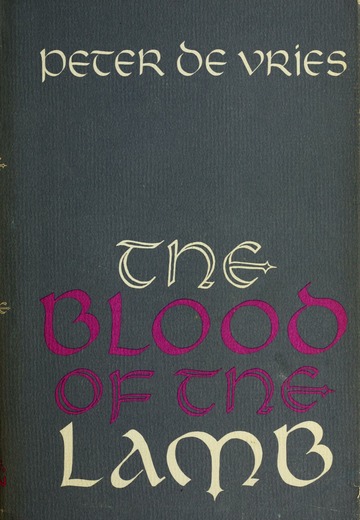
What remains behind after a child dies? A doctor? When an oncologist I revere died too young, he left behind a full bookshelf where I found his copy of De Vries’ 1961 novel flagged with post-it-notes and annotations. I picked it up to see what the doctor saw. The novel is an unsentimental education of…
-
The Citadel, A.J. Cronin
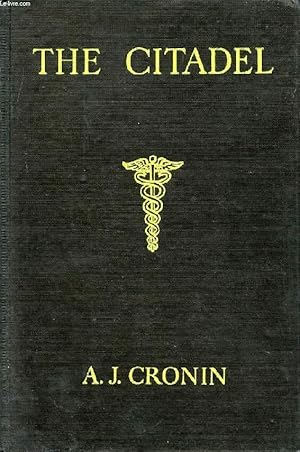
Every revolution needs a novel. The Citadel’s protagonist, Dr. Andrew Manson, journeys from underdog trainee to posh practitioner before returning to an idealistic practice grounded in science. A funny thing happens on the way to the revolution: the book’s hope is small group practices “between state medicine and isolated, individual effort,” but this 1938 novel…

Abraham Nussbaum
Physician, Teacher, Writer


