

Abraham Nussbaum
Physician, Teacher, Writer
The Reading Cure
People sometimes confuse psychics and psychiatrists. Shrinks can’t read minds; we read books. A few years ago, I left social media and resumed reading. Reading builds resiliency and the ability to form therapeutic alliances. Here are some books about doctoring that I have been reading lately:
-
Emma, Jane Austen
Marriage plots hinge on status–allowance, house, title–but also: health. Before Emma can wed Knightley, they must conquer Mr. Woodhouse’s hypochondria. Emma and Knightley understand Mr. Woodhouse, anticipate his needs, and sacrifice themselves for their ‘patient.’ They have the character of true caregivers.
-
Body of Work, Christine Montross
The cadaver is the first patient, the first textbook, the first initiation rite for a medical student. Poet-turned-psychiatrist Christine Montross has the best book on how anatomical dissection is a taking apart of one body to build up another. “With my first cut, I have begun a personal transformation…”
-
Also Human, Caroline Elton
Medical science is advancing, while our psychological understanding of doctoring is regressing. So says Elton, a psychologist treating physicians in the UK. A learned reminder that physician burnout is transatlantic and can be ameliorated by improving both halves of the physician-patient relationship.
-
Breaking & Mending, Joanna Cannon
Physician burnout is a global phenomena. British shrink-turned-novelist @JoannaCannon just published the best burnout memoir. “The more often we witness small moments of compassion, the more humanity we see.”
-
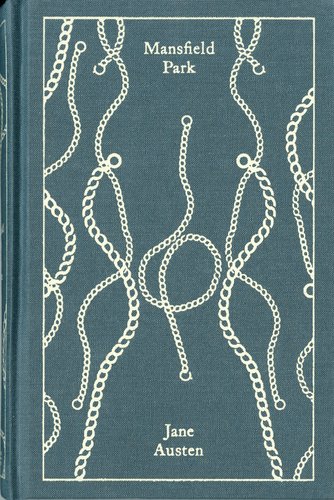
Mansfield Park, Jane Austen
Fanny Price is the most misunderstood of Austen’s heroines, but the heroine Austen understood best. In one of the first novels built upon the interior life of a young woman, Fanny shows up meritocracy by living with “so much true merit and true love.” Killer compliment: “Her mind, disposition, opinions, and habits wanted no half…
-
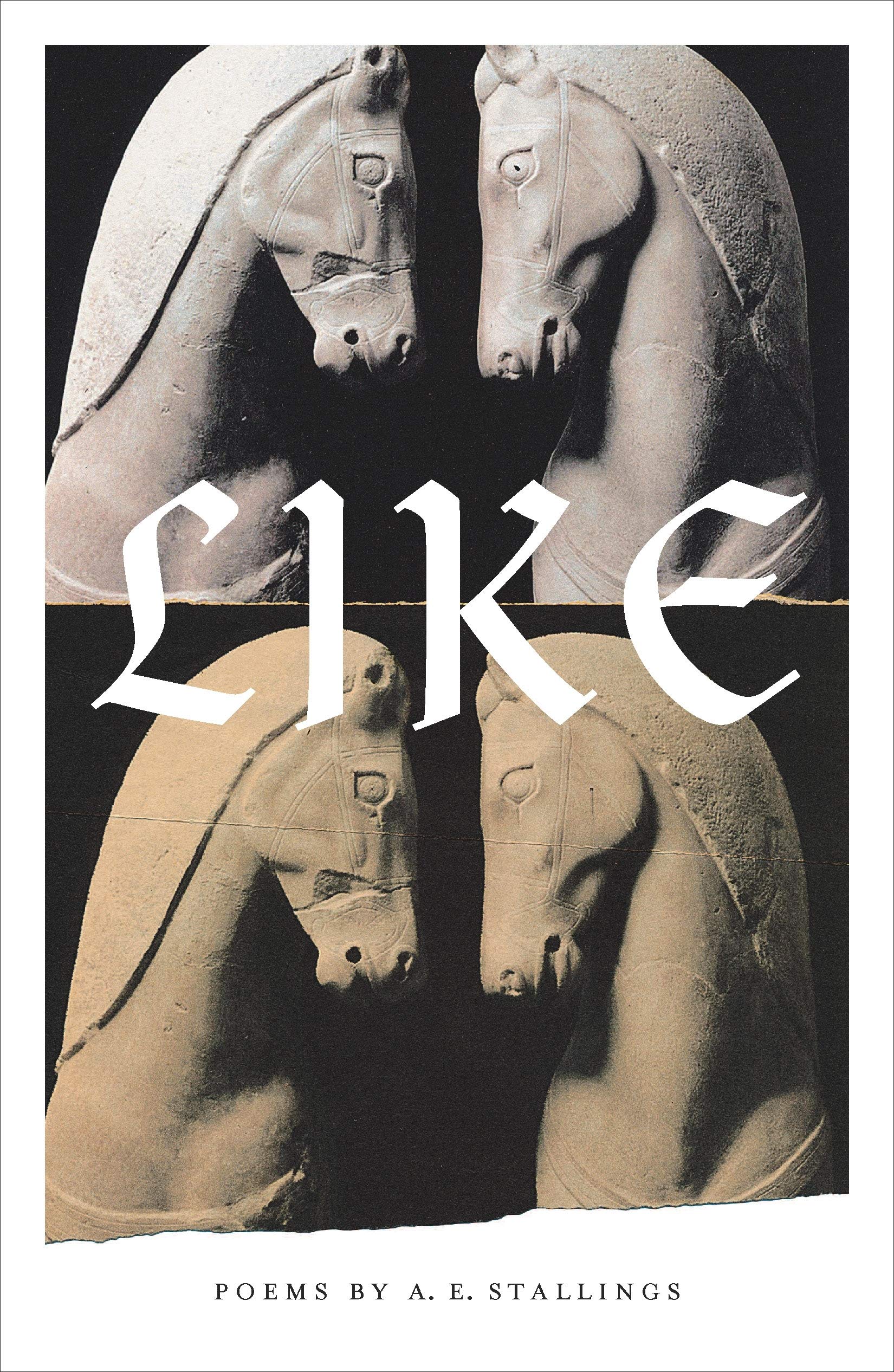
Like, A. E. Stallings
To be sure, it is more Homer than Hippocrates, but the new collection by @ae_stallings has a Placebo. “If I’m a pill, then / you are double blind. / What you don’t know can’t hurt you. / Spoonful of sugar, / It’s all in your head, / this dendritic alchemy / of pain. Nothing works.”…
-
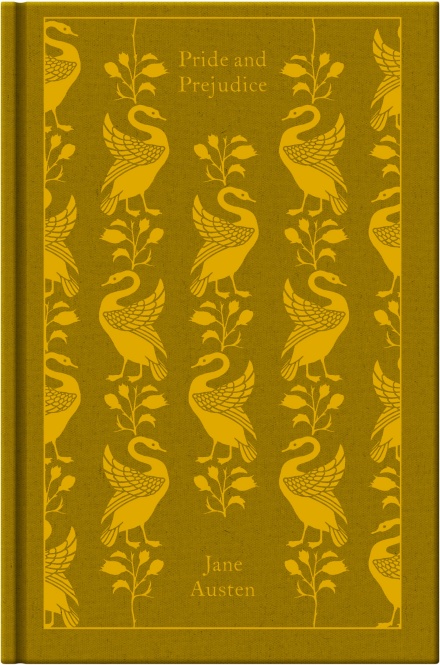
Pride and Prejudice, Jane Austen
As Eligible showed, this could be a novel about marrying a physician. If so, the lesson would be that you judge a doctor as a possible spouse by the quality of his library. Elizabeth revises her first impressions of Darcy when she sees Pemberley and his library. Still the novel about judging and re-judging.
-
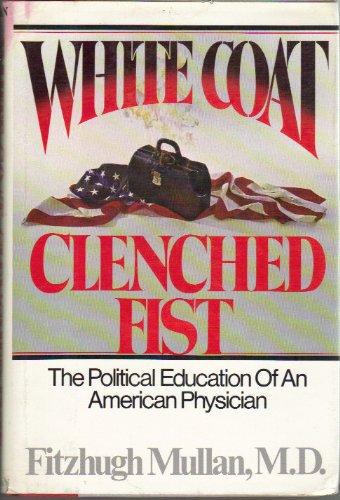
White Coat, Clenched Fist, Fitzhugh Mullan
Socialized medicine? Universal healthcare? Radical medical education? Read the 1974 memoir by health equity pioneer @FitzhughMullan to see how it turned out a generation ago. They read Mao’s Little Red Book instead of Osler’s Aequanimitas, allowed community members to select residents rather than the faculty, and lived to see themselves become part of the systems…
-
Three Things About Elsie, Joanna Cannon
A shrink can be the “someone to hold my worrying for me.” Friendship is a holding relationship in the second novel by the UK shrink @JoannaCannon “She always undid the stitches of other people’s worrying and made them disappear.” We all need a friend or a shrink like that.
-
The Second Mountain, David Brooks
Diseases of despair? The cure is a relational society! Reading a whole @nytdavidbrooks book can be like attending a very-long dinner party with your successful uncle. He has experience and wisdom, but so much of it! And why does he count out his wisdom on his fingers? But as the dinner wears on, you realize…
-
Sense and Sensibility, Jane Austen
The secrets we keep. The society we keep. Each can, for #janeausten, make us sick. The novel hinges on Marianne’s psychosomatic illness in chapter 43. In the end, the heroine lives, against herself, within society. “Marianne Dashwood was born to an extraordinary fate. She was born to discover the falsehood of her own opinions, and…
-
Everything In Its Place, Oliver Sacks
This odds and sods collection brings together many of @OliverSacks passions, allowing you to see connections in his thinking. My favorite? Read The Lost Virtues of the Aslyum alongside Why We Need Gardens for insight into why people in mental hospitals need communal green space and purposeful labor.


