
Abraham Nussbaum
Physician, Teacher, Writer
The Reading Cure
People sometimes confuse psychics and psychiatrists. Shrinks can’t read minds; we read books. A few years ago, I left social media and resumed reading. Reading builds resiliency and the ability to form therapeutic alliances. Here are some books about doctoring that I have been reading lately:
-
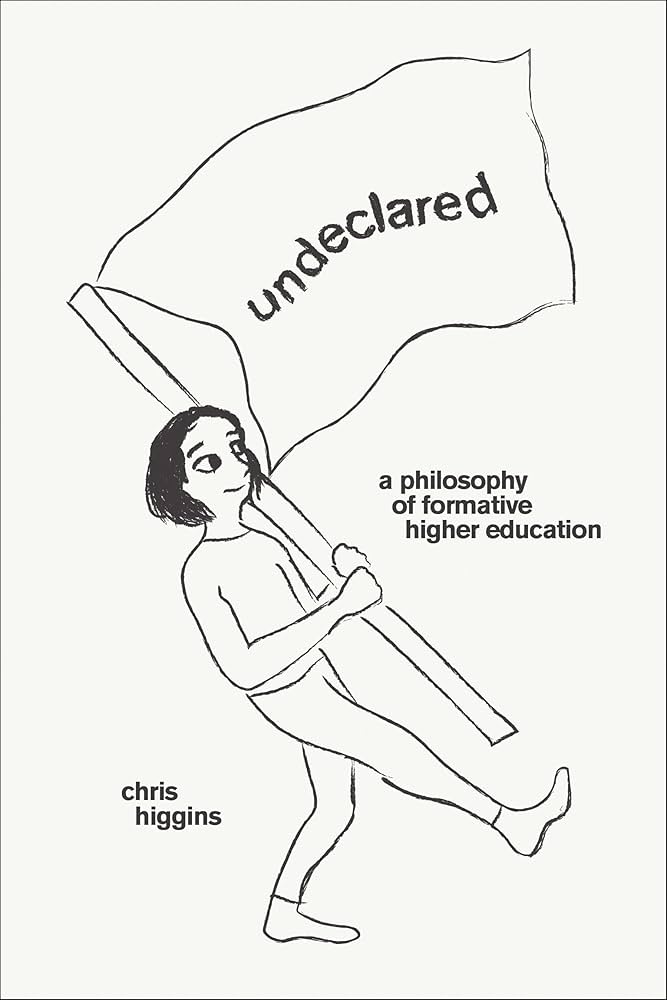
Undeclared, Chris Higgins
Medical students still swear oaths in august ceremonies. Most sense they are being asked to inhabit a worn-out creed as if it was still meaningful. Higgins writes for undergraduate general education, but I thought of medical students. The real oaths are, Higgins reminds, humane vocational acts which help a trainee in “finding a worthy form…
-
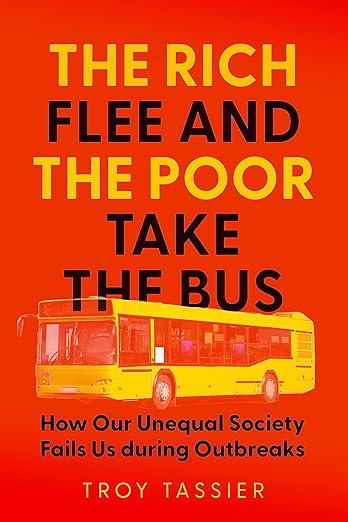
The Rich Flee and The Poor Take The Bus, Troy Tasssier
Take the dust-jacket off this one–it’s a banger of a design– and slip it over a dystopian YA novel. Then this can read as fiction. Dip into the now uncovered over the nonfiction afterwards and you will be only more discouraged. Of all the post-COVID post-mortems of how the purportedly most pandemic-ready failed, Tassier contextualizes…
-
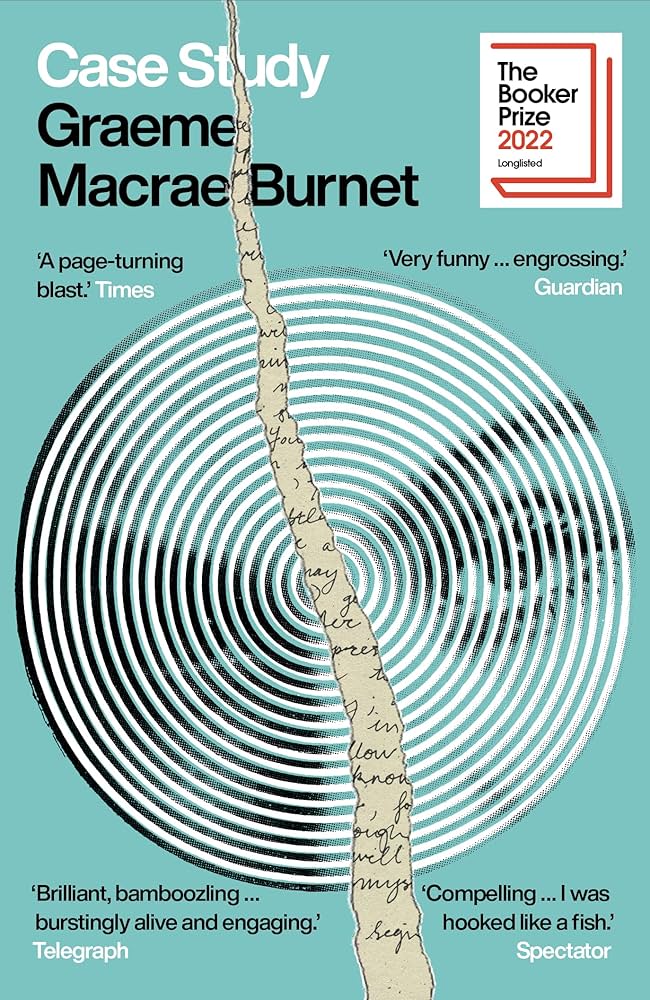
Case Study, Graeme Macrae Burnet
Burnet builds bits of several genres of a psychiatrist’s life–chapter, memoir, notebook– into a darkly comic novel haunted by a suicide. After Veronica jumps before the 4:45 to High Barnet, her sister blames the therapist. Going undercover as Rebecca, she seeks to uncover the therapist. There’s not much to him– he’s an uncommon failure, a…
-
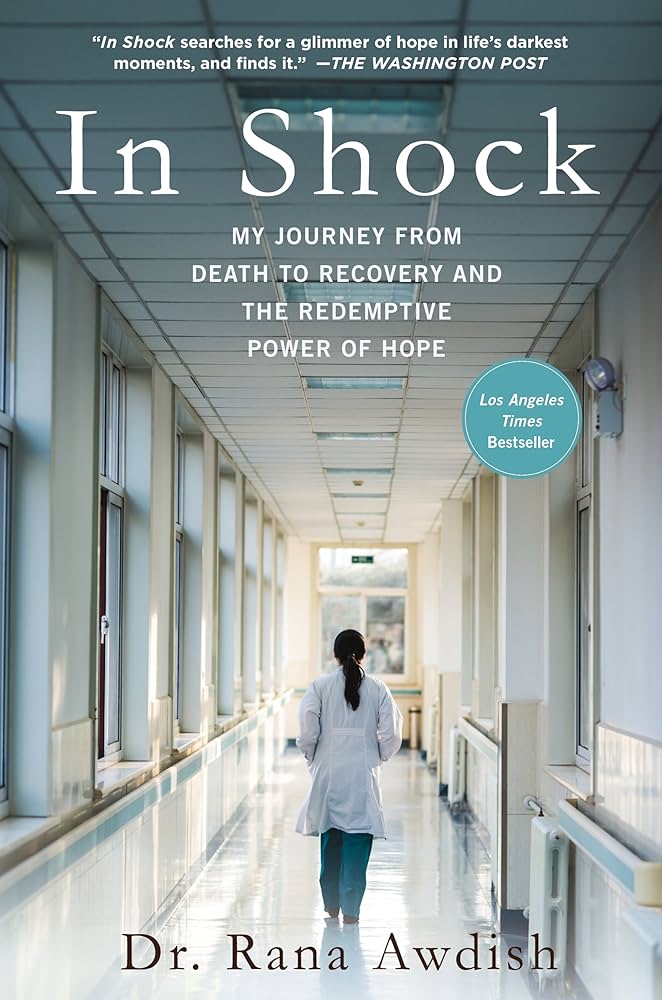
In Shock, Rana Adwish
Physicians wear white coats and treat illnesses, while patients wear hospital gowns and suffer them. The divisions defend doctors against reality: we will all wear the hospital gown someday and be diminished by illness. Awdish learned sooner, and far better, than most. She returned from harrowing illness with a composed narrative. On her wild plunge…
-
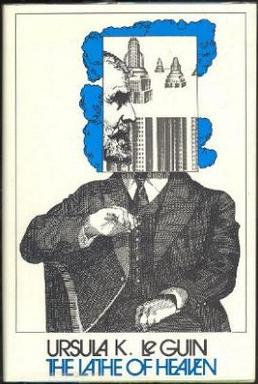
The Lathe of Heaven, Ursula K. Le Guin
What do you give a shrink who reads? Speculative fiction as prophesy, but with a capacity to break your heart. This goes on the list of books I wish I had read twice: today and tomorrow. “Are there really people without resentment, without hate, she wondered. People who never go cross-grained to the universe? Who…
-

Jayber Crow, Wendell Berry
A book about a barber, but a med student advised me to read it as a kind of doctor book. Jayber narrates a half century of executives supplanting farmers, tractors displacing mules, backhoes replacing shovels, and a man who walks away into the woods. Not backwards, but into a better economy, of barter, care, and…
-
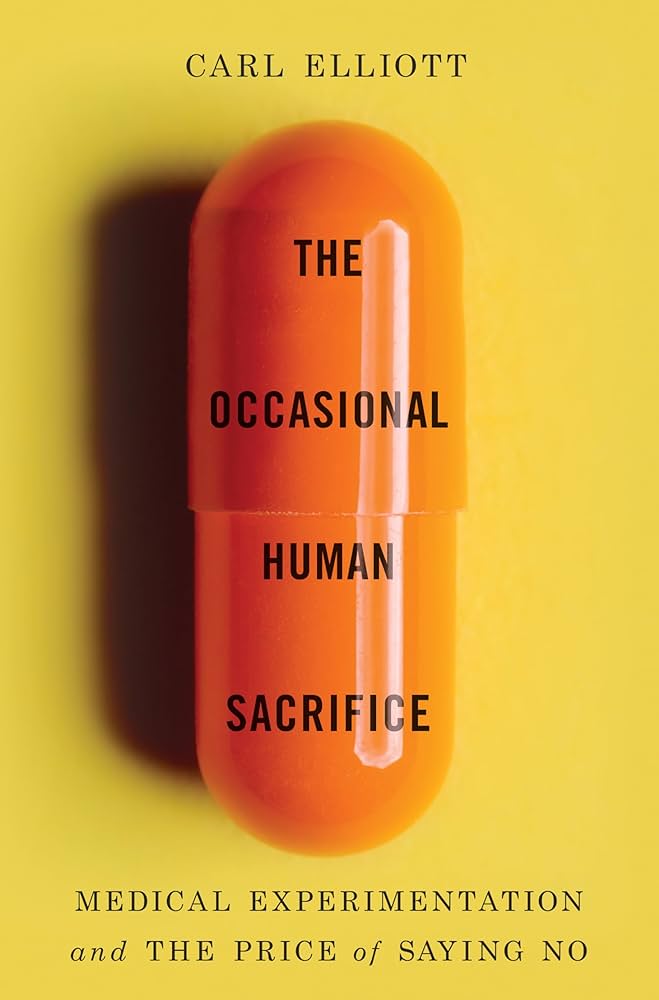
The Occasional Human Sacrifice, Carl Elliott
The truth does not always out. The righteous are rarely rewarded in the kingdom of academic medicine. For a quarter century now, Carl Elliott has been appealing to the conscience of medicine. Always coming after medicine at a slant, he can see what others cannot. For the first time, he writes about the company he…
-
Accidental Kindness, Michael Stein
Medical training undoes you; it feels fitting that the binding in my copy of this memoir was so loose that every seventh page came clean out if I pulled upon it. And I found myself pulling because its pages were so finely-observed. Stein is the rare doctor who can see from the perspective of a…
-
Within Reason, Sandro Galea
The first couple of weeks of the pandemic we sang solidarity songs. Before we had time for a second verse, the choir fractured into dissonant songs. Working in the hospital during those days was disorienting as people starting singing angry songs at each other: I-VER-MECTIN! MASK-ING! Galea wants to bring us back together around a…
-
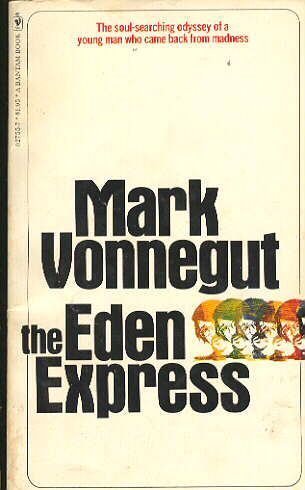
The Eden Express, Mark Vonnegut
Paperback in the back pocket of my jorts for the last week? This reminder that the counterculture cracked-up slowly, then all at once. Lot of talk these days that psychiatry neglects meaning. Here’s a little account of the problems of a multiplicity of meanings: “One thing that makes me suspicious is that everyone seems to…
-
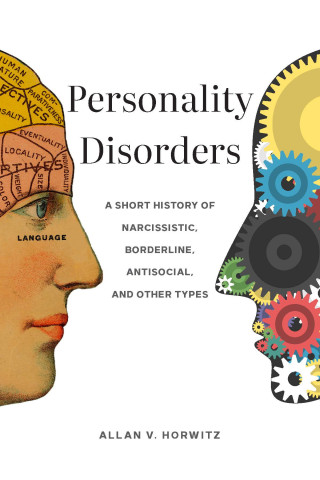
Personality Disorders, Allan V. Horwitz
Are we born this way? Aristotle thought we could learn habits, but his student Theophrastus believed our internal dynamics are constant. The debate ranges on, now operationalized in diagnostic manuals for personality disorders. No one is better than Horwitz at quickly laying out the debate, the limits of personality disorders, and the stalled development of…
-
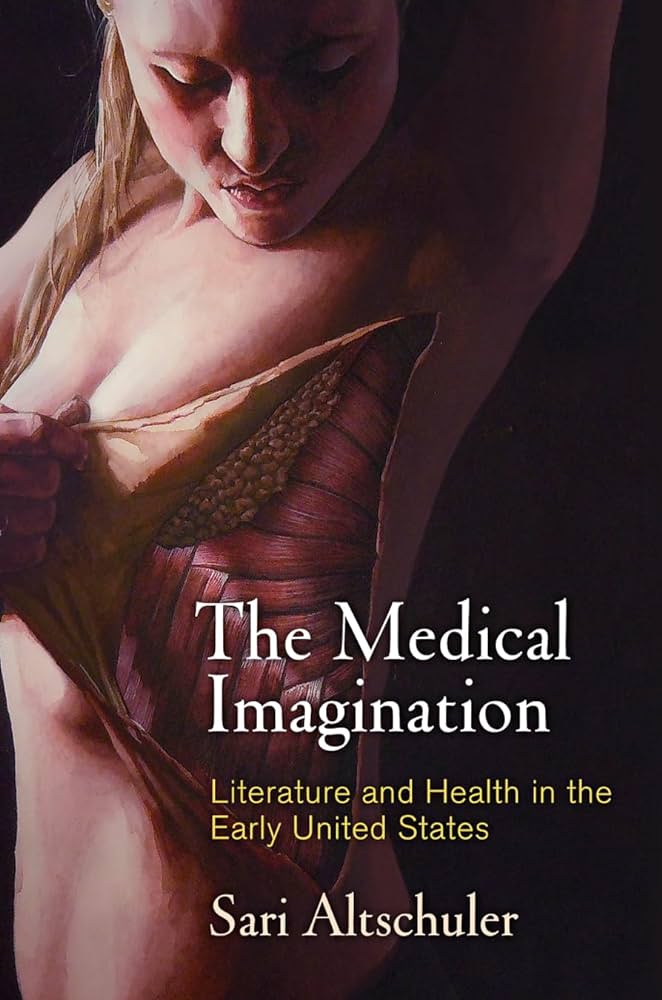
The Medical Imagination, Sari Altschuler
Genre is a strategy, Altschuler reminds us, and medicine has negotiated epistemic crises with a range of genres. Holmes made sense of anesthesia by writing novels. Rush imagined the sympathetic system as the republic. Poe negotiated epidemics with the Gothic. Altschuler reminds that we praise empiricism, but neglect the role of inspiration. It is fashionable…