
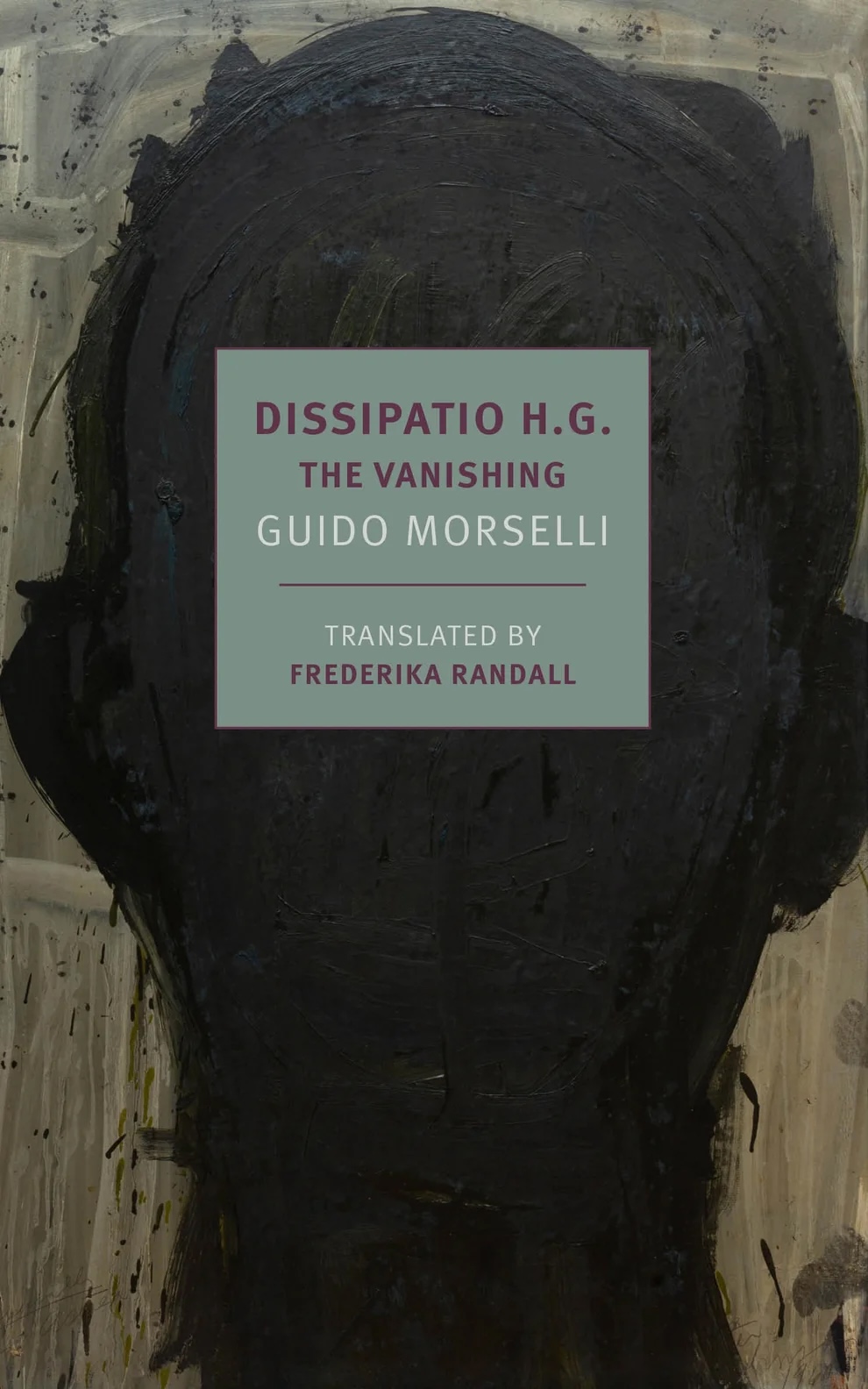
Not the first post-apocalyptic novel– I see you and love you, Mary Shelley– but the template for today’s versions. Morselli saw the attractions of the Anthropocene and what remains after its abrupt end. The narrator is brilliant and cranky, the kind of fellow who could be the Last Man on Earth even when everyone else is still alive. The novel is set after a failed suicide attempt– is it too much to read it against itself and ask if its events happen after the narrator has actually died? What if the post-apocalyptic world of Chrysopolis, with its varieties of banks and churches, is the afterlife? Even if you read it straight, it offers a moving memory of the narrator’s psychiatrist, Dr. Karpinsky. Karpinsky died two years before the events of the novel, killed by his own patients, but is remembered by the narrator as the one person who saw him as a person. Karpinsky claims, against any evidence I can find, that Freud wrote to Jung “the more overwhelming the stimuli, the more urgent, the more vital, is the need to adapt.” And, what, is more overwhelming than the apocalypse of suicide?


