-
An Anatomy of An Addiction
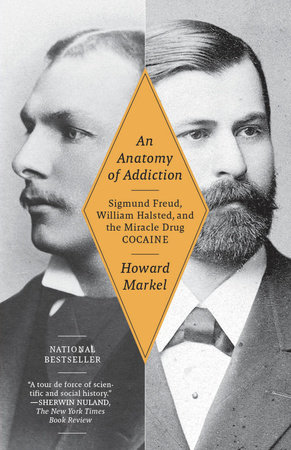
Cocaine shaped the two structures– psychoanalysis and residency– that defined my medical training. In Markel’s telling, Freud shifts from description to interpretation, and Halsted transforms from an ever-present surgeon to an aloof attending under the influence of cocaine. A fascinating account of how substance use shapes our lives. More than a century on, I recognized…
-
Disorder, Peter Swenson
If you care about progressive movements within medicine, you have to know how we failed to build an actual healthcare system. Challenging Starr’s seminal work, Swenson places the blame squarely on the American Medical Association. I knew some of this, disagreed with the microscopic focus on the AMA, and learned even more. Just a devastating…
-
In The Company of Men, Veronique Tadjo
Why pandemic? @VTadjo offers a humane, poetic view of the 2014 Ebola pandemic that feels more timely and more incisive than most COVID post-mortems. Sweeping but intimate, Tadjo hears the tree, the bat, the scientist, and the sufferer all speak. We do too. Here’s a doctor “in a spacesuit discovering a new universe”: “I refuse…
-
The Premonition, Michael Lewis
-
Shadows on the Rock, Willa Cather

-
Empire of Pain, Patrick Radden Keefe
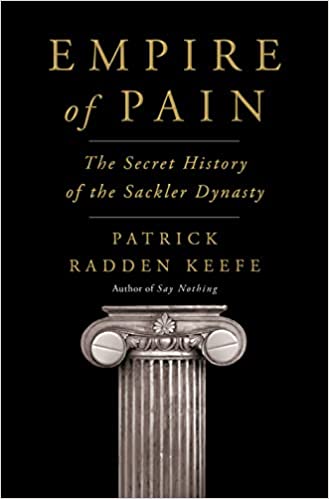
Damn @praddenkeefe, this was one was devastating. Hippocrates said doctors harvest misfortunes of their own to rid the sick of their disease and suffering. The Sacklers inverted the formula, harvesting a fortune off patient’s misfortunes. A deeply-reported account of how the Sackler family fed the opioid epidemic, it can also be read as a story…
-
The Heart of the Matter, Graham Greene
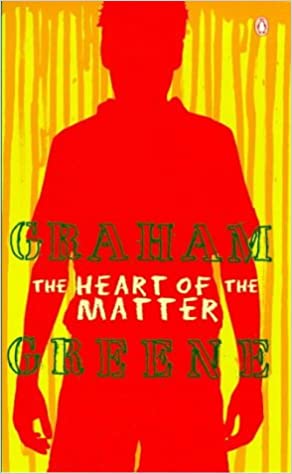
Greene’s remarkable account of suicide as the satisfaction theory of atonement describes Dr. Travis as earnest and reverent as a priest. “…he treated the body with great respect; when he rapped the chest he did it slowly, carefully, with his ear bowed close as though he really expected somebody or something to rap back.” Scobie,…
-
The Doctors Blackwell, Janice P. Nimura
-
The Tyranny of Merit, Michael Sandel
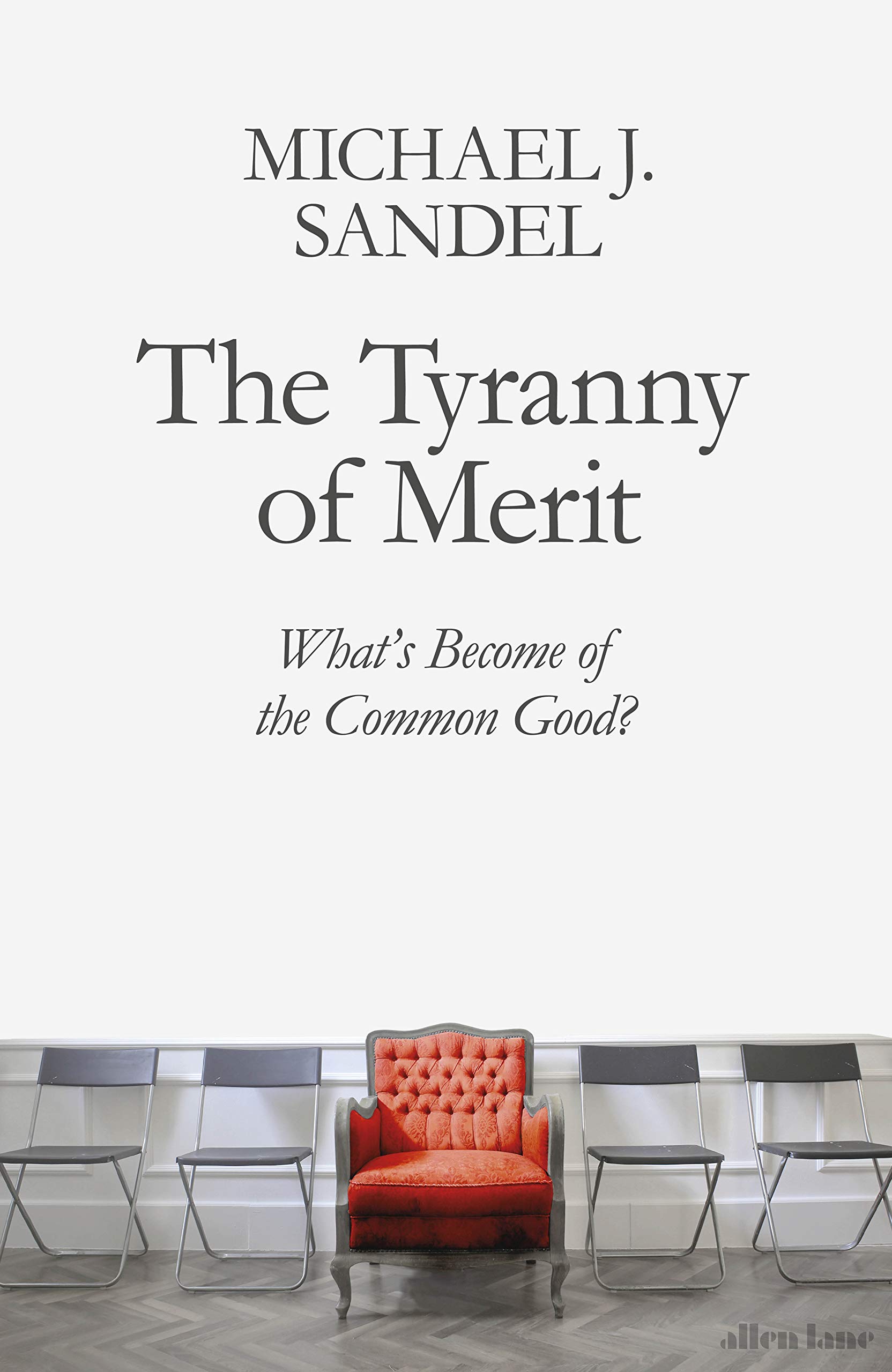
Why so divided? We maximize individual merit at the expense of the common good. So sayeth Sandel. And sayeth definitively. I dare anyone to finish this book wanting to defend today’s meritocracy. One suggestion: in his account of how to better college admissions, I kept wanting him to explore the NRMP Match as an option.
-
The Plague Year, Lawrence Wright
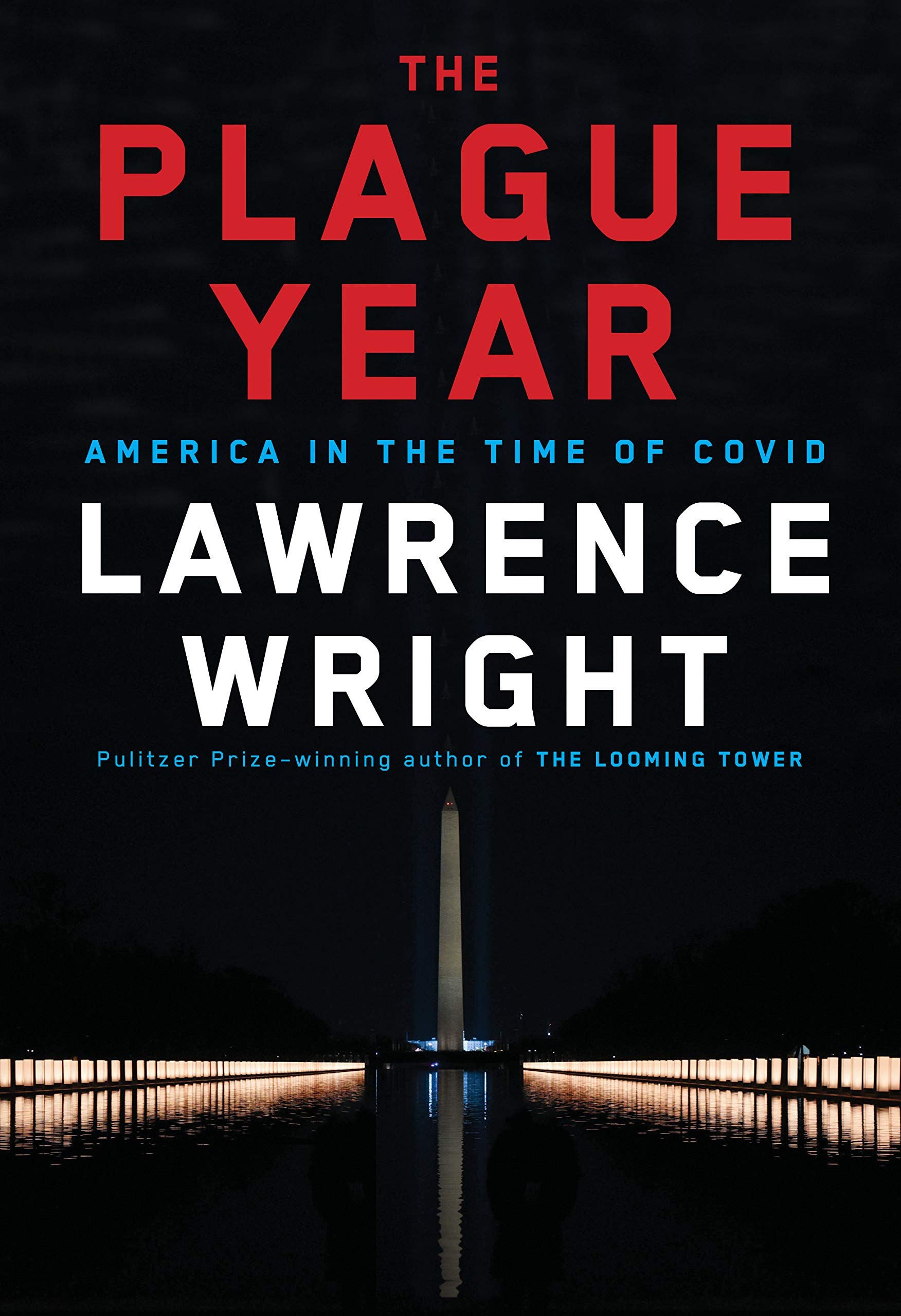
Reading Wright feels like a clean transcript of an explicit nightmare, which makes it all the more revolting. An expected virus caused an unaccustomed ravage. Why? Wright narrates the failure of diverse authorities– complacent powers, inept leadership, a polarized polis– as a kind of Swiss cheese diagram for a worldwide adverse event. There is more…

Abraham Nussbaum
Physician, Teacher, Writer