-
The Human Factor, Graham Greene
-
Making Doctors, Simon Sinclair
Knowledge. Experience. Responsibility. Sinclair, a physician turned anthropologist, charts their reinforcement as the NHS makes students into doctors capable of being “On Take” with their “bleep.” Medical training gives you an education and a license. To get both, you have to learn how to “pathologize the world.”
-
Beyond A Boundary, C. R. James
-
The Last Man, Mary Shelley

Shelley’s plague novel includes what could be a physician’s oath: “I am now going to undertake an office fitted for me. I cannot intrigue, or work a tortuous path through the labyrinth of men’s vices and passions; but I can bring patience, and sympathy, and such aid as art affords, to the bed of disease….”
-
One Long River of Song, Brian Doyle
-
Dorothy Day: Dissenting Voice of the American Century, John Loughery & Blythe Randolph
-
Metamorphoses, Ovid
-
The Youngest Science, Lewis Thomas
My favorite read of the HMS med school memoirs because Thomas is the kind of narrator who charms through self-deprecation. He faults his memory, laments his intelligence, praises the nurses, encourages male silence, and fondly remembers needing to donate blood to make money during residency. “MA law in 1937 stipulated that a blood donor was…
-
Waiting For An Echo, Christine Montross
-
The Immortality Key, Brian Muraresku
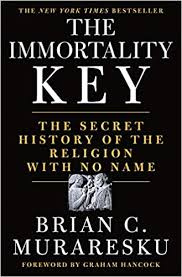
Blue pill masquerading as red pill. There is something here, but it is obscured by reductive arguments and sensational claims. That is how a bestseller works, right? (It is the kind of book where the author publishes a picture of his library card to prove he did the research.) What worried me about this page-turner…

Abraham Nussbaum
Physician, Teacher, Writer